EMAIL WARNING!!

For some time now an email has been circulating which talks
about a "driver on the way to Cornwall, seeing a car seat along
the side of the road, with a baby in it"...
This email states it is from Bernadette McCann House.  

THIS IS NOT TRUE! 

Please delete this email should you receive it. Also, please tell
whoever sent it to you - that it is NOT VALID.   Thank you for your
assistance in this matter.


Children/Teens

CHILDREN

Children Exposed to Violence
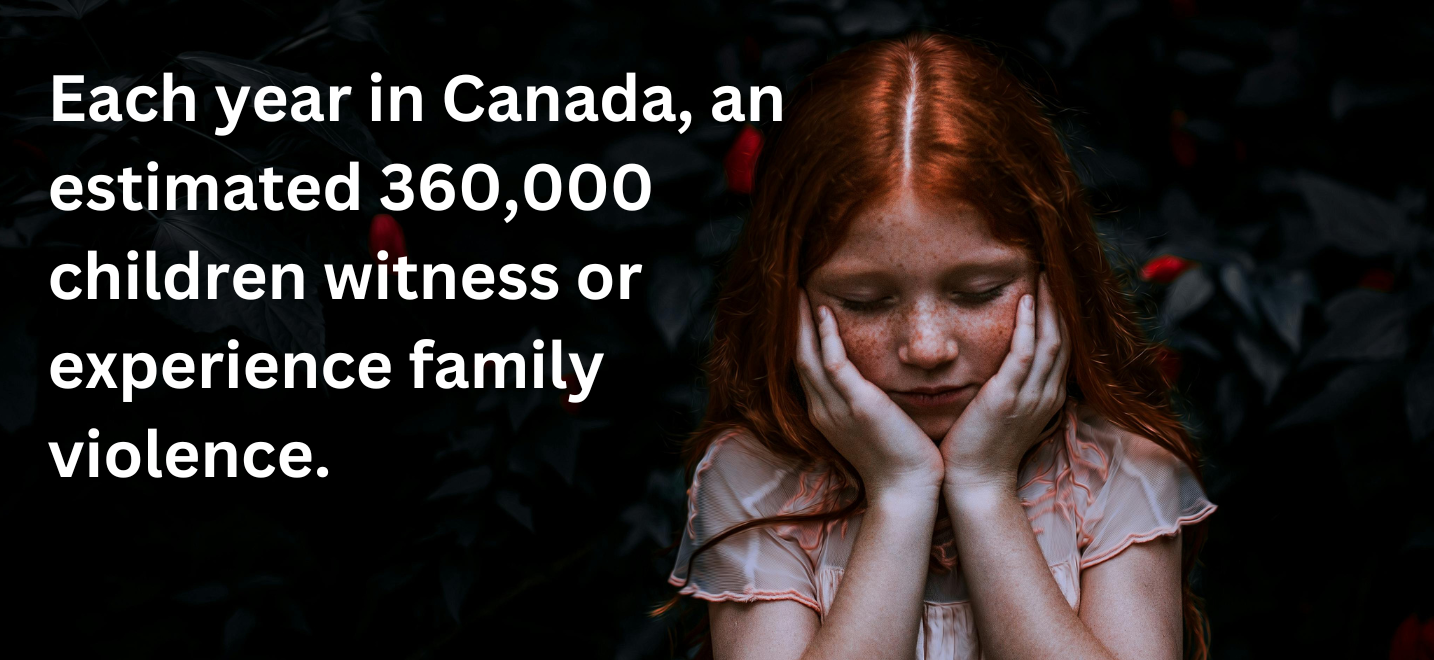
Children are exposed to violence in a number of ways in their daily lives. They witness and are victims of domestic violence in their own homes and in those of relatives. Many live in communities where random street violence is common. Television news and movies and videotapes bring graphic scenes into children's living rooms. Radio and newspapers report on violent incidents including murders quite regularly.

Nationally, 3.3 million children are at risk for witnessing violence between caregivers in the home. In urban areas, surveys of elementary school children show that 90% had witnessed violence, 40% had seen a dead body.

Does exposure to domestic, community or media violence affect a child?
Yes. Young children who have difficulty knowing the difference between fantasy and reality can become extremely distressed from fears that the scary characters or episodes that they witnessed on TV can happen to them or that violent real life incidents will happen again. Their sense of the world as a safe, secure and predictable place can be shattered.

Is it possible to help children who are exposed to Violence?
Yes. For the individual child, offering a safe place to talk is critical. Providing opportunities for the child to express feelings and memories in different ways (talking, drawing, pretending, moving, using art, etc.) is important. Respecting the child's need to talk at his or her own pace is important for the child to feel safe. Referral for therapy if necessary can be a lifeline to a child who is struggling to cope with violence.

To learn more about how violence towards a mother can harm a child go to "Publications" found at the bottom of  our Library/Links page, and read "Little Eyes, Little Ears".


Children See...Make Your Influence Positive

TEENS

What is Dating Violence?

Dating violence is the physical, emotional and/or verbal abuse of one partner by the other partner in a current or former dating relationship. Teenagers can choose better relationships when they learn to identify the early warning signs of an abusive relationship, understand that they have choices, and believe they are valuable people who deserve to be treated with respect.

Early Warning Signs:

  • If you feel you cannot live without him/her.
  • If you stop seeing other friends or family, or give up activities you enjoy because he/she doesn’t like them.
  • If you feel like you have to walk on eggshells to keep him/her from getting angry.
  • If you are afraid to tell him/her your worries and fears about the relationship.
  • If you stop expressing your opinions if he/she doesn’t agree with them.
  • If you feel that you are the only one who can help him/her, and that you should try to reform him/her.
  • If you stay in the relationship because you believe that he/she will kill themself if you leave.
  • If you believe that his/her jealousy is a sign of love.
  • If you feel that you cannot tell anyone what he/she is doing to you because you think that you will not be believed.
  • If you feel that people will think you are stupid to stay with him/her and that you deserve to be abused.
  • If you believe the critical things your boyfriend/girlfriend says about you.
  • If you believe that there is something wrong with you if you don’t enjoy the sexual things he/she wants you to do.
  • If you believe in the traditional ideas of what a man and woman should be and do – that the man makes the decisions and the woman pleases him.         

  
Teen dating violence often is hidden because teenagers typically
:

  • are inexperienced with dating relationships.
  • are pressured by peers to act violently.
  • want independence from parents.
  • have "romantic" views of love.

Teen dating violence is influenced by how teenagers look at themselves and others.

Young men may believe:

  • they have the right to "control" their female partners in any way necessary.
  • "masculinity" is physical aggressiveness
  • they "possess" their partner.
  • they should demand intimacy.
  • they may lose respect if they are attentive and supportive toward their girlfriends.

 Young women may believe:

  • they are responsible for solving problems in their relationships
  • their boyfriend's jealousy, possessiveness and even physical abuse, is "romantic."
  • abuse is "normal" because their friends are also being abused.
  • there is no one to ask for help.

Remember it is everyone’s right to live without fear. No one has the right to control you, physically or verbally.

Violence is Against the Law.
Regardless of the abuser’s age, it is against the law for anyone to:

  • Hurt you
  • Try to hurt you
  • Force you to have sex
  • Threaten you with weapons
  • Harass you on the telephone or through the mail, email, texting etc.
  • Stalk you
  • Destroy things that belong to you

Know the warning signs of Dating Violence and Take Action           

    Safety Plan for Teens

  • There is safety in numbers
  • Choose a special code word to use with friends and family when feeling unsafe – (Example I pod)
  • Carry a cell phone at all times
  • Keep a whistle on your key chain or backpack
  • Always tell people where you are and where you are going